
Hindu rituals and ceremonies — Tulsi Vivah
Creator: Chandra Bodalia
Description
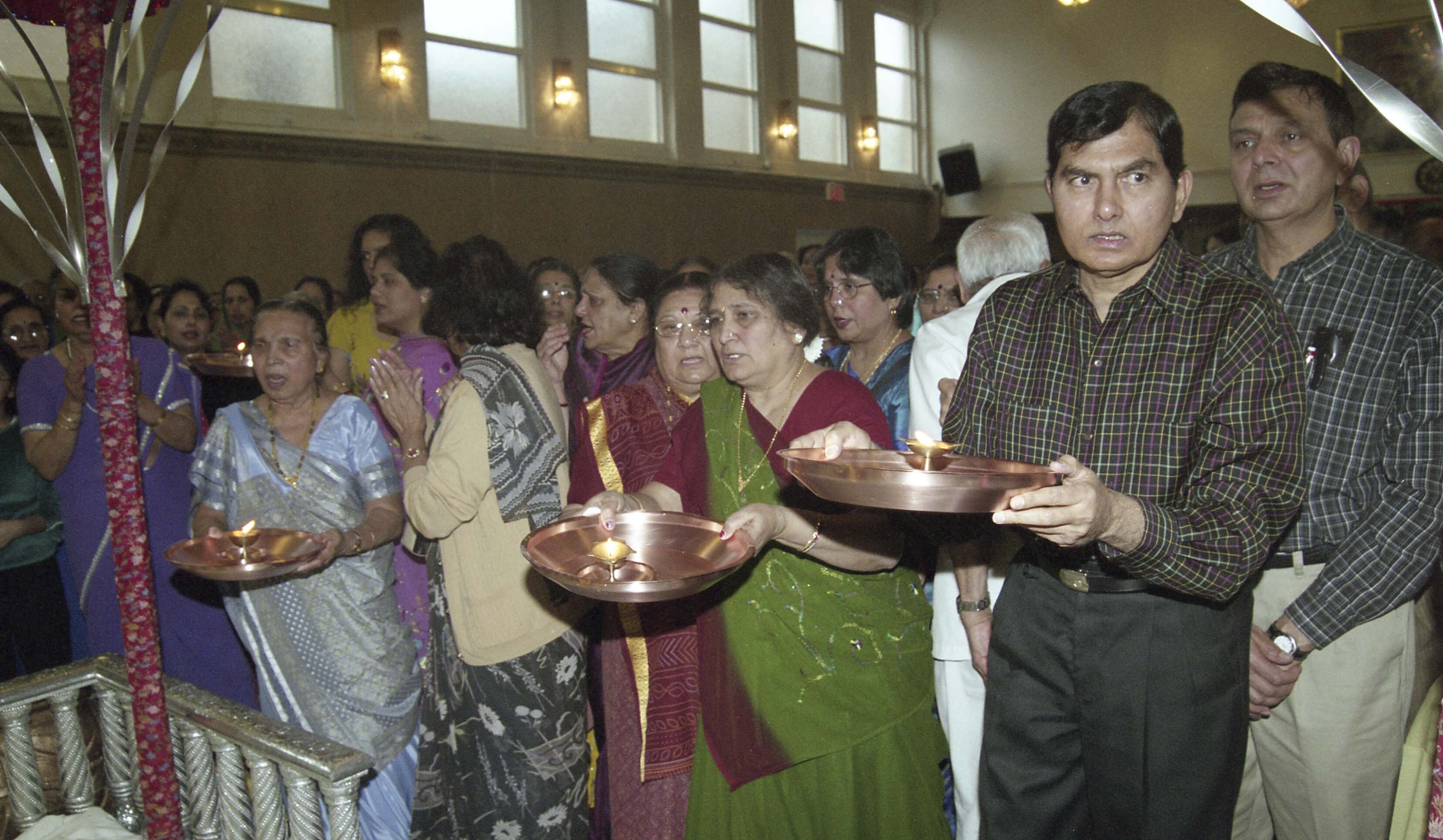
Photograph of people performing puja for a Tulsi Vivah celebration at the Hindu Cultural Society and Community Centre of B.C. in Burnaby, B.C.
Tulsi Vivah is a Hindu ritual of the symbolic marriage between a tulasi plant, the personification of Goddess Lakshmi), and shaligrama, the personification of Lord Vishnu). Taking place in the month of Kartika, the ceremony signifies the end of the Chaturmas, a sacred four-month periods where Lord Vishnu is in dive sleep, and the beginning of the auspicious wedding season.
Officially registered as the Hindu Cultural Society and Community Centre of B.C., the Hindu Temple of Burnaby, previously known as Vishva Hindu Parishad temple, stands as one of Canada's oldest and largest Hindu temples. It was founded on May 15, 1972 as a small prayer hall in North Burnaby, dedicated to preserving and promoting Hindu culture and traditions.
Tulsi Vivah is a Hindu ritual of the symbolic marriage between a tulasi plant, the personification of Goddess Lakshmi), and shaligrama, the personification of Lord Vishnu). Taking place in the month of Kartika, the ceremony signifies the end of the Chaturmas, a sacred four-month periods where Lord Vishnu is in dive sleep, and the beginning of the auspicious wedding season.
Officially registered as the Hindu Cultural Society and Community Centre of B.C., the Hindu Temple of Burnaby, previously known as Vishva Hindu Parishad temple, stands as one of Canada's oldest and largest Hindu temples. It was founded on May 15, 1972 as a small prayer hall in North Burnaby, dedicated to preserving and promoting Hindu culture and traditions.
Creator: Chandra Bodalia
Description
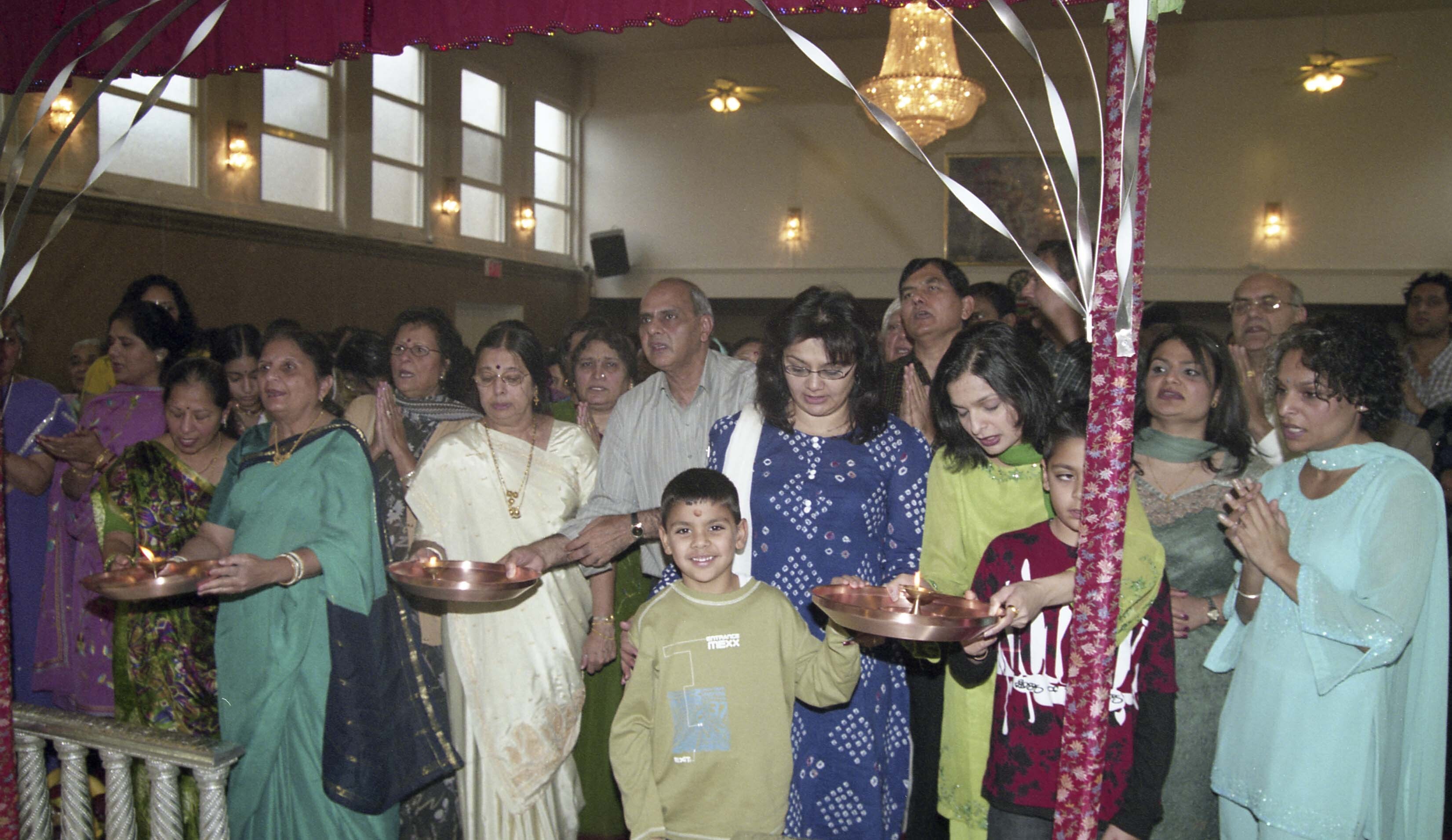
Photograph of people performing puja for a Tulsi Vivah celebration at the Hindu Cultural Society and Community Centre of B.C. in Burnaby, B.C.
Tulsi Vivah is a Hindu ritual of the symbolic marriage between a tulasi plant, the personification of Goddess Lakshmi), and shaligrama, the personification of Lord Vishnu). Taking place in the month of Kartika, the ceremony signifies the end of the Chaturmas, a sacred four-month periods where Lord Vishnu is in dive sleep, and the beginning of the auspicious wedding season.
Officially registered as the Hindu Cultural Society and Community Centre of B.C., the Hindu Temple of Burnaby, previously known as Vishva Hindu Parishad temple, stands as one of Canada's oldest and largest Hindu temples. It was founded on May 15, 1972 as a small prayer hall in North Burnaby, dedicated to preserving and promoting Hindu culture and traditions.
Tulsi Vivah is a Hindu ritual of the symbolic marriage between a tulasi plant, the personification of Goddess Lakshmi), and shaligrama, the personification of Lord Vishnu). Taking place in the month of Kartika, the ceremony signifies the end of the Chaturmas, a sacred four-month periods where Lord Vishnu is in dive sleep, and the beginning of the auspicious wedding season.
Officially registered as the Hindu Cultural Society and Community Centre of B.C., the Hindu Temple of Burnaby, previously known as Vishva Hindu Parishad temple, stands as one of Canada's oldest and largest Hindu temples. It was founded on May 15, 1972 as a small prayer hall in North Burnaby, dedicated to preserving and promoting Hindu culture and traditions.
Creator: Chandra Bodalia
Description
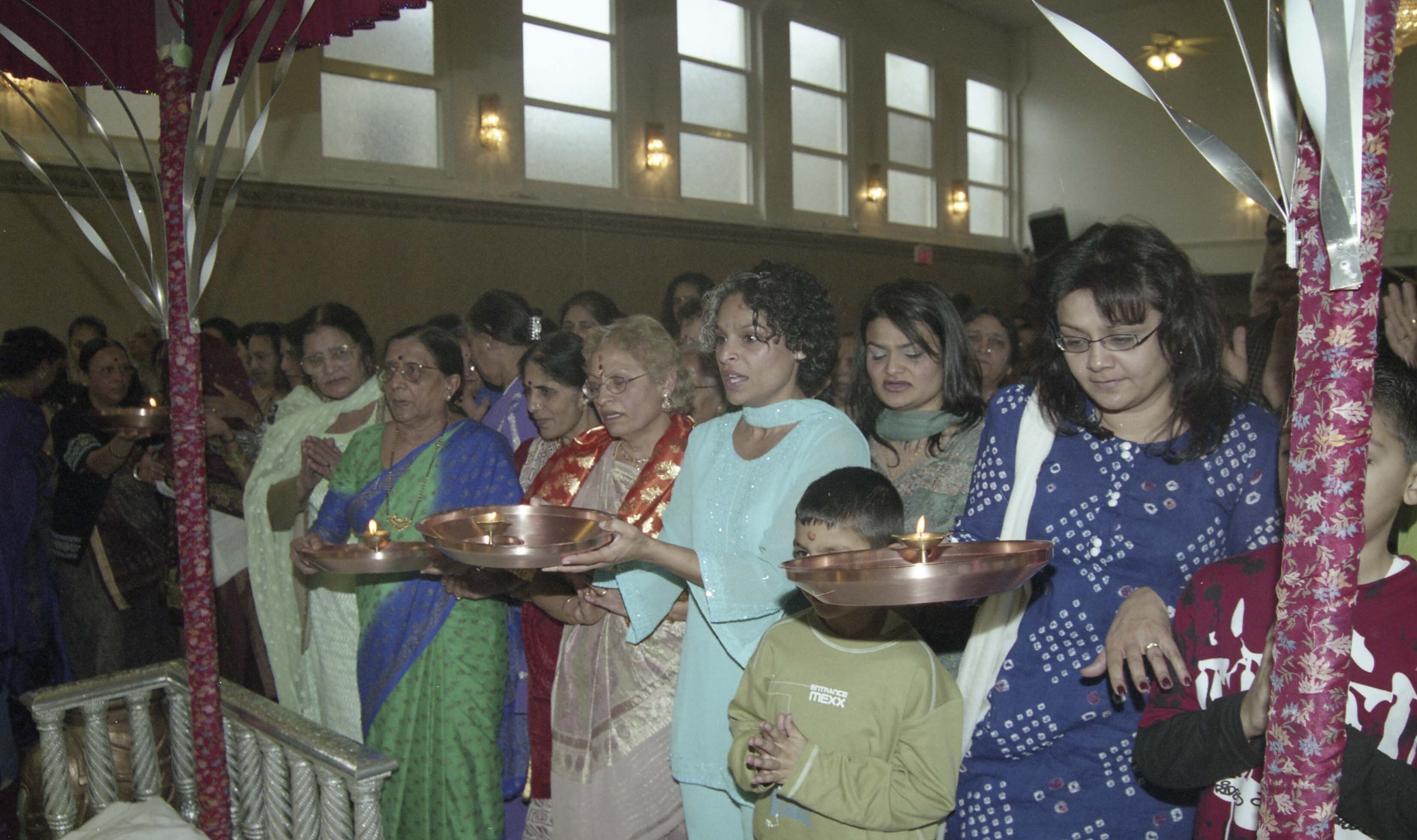
Photograph of people performing puja for a Tulsi Vivah celebration at the Hindu Cultural Society and Community Centre of B.C. in Burnaby, B.C.
Tulsi Vivah is a Hindu ritual of the symbolic marriage between a tulasi plant, the personification of Goddess Lakshmi), and shaligrama, the personification of Lord Vishnu). Taking place in the month of Kartika, the ceremony signifies the end of the Chaturmas, a sacred four-month periods where Lord Vishnu is in dive sleep, and the beginning of the auspicious wedding season.
Officially registered as the Hindu Cultural Society and Community Centre of B.C., the Hindu Temple of Burnaby, previously known as Vishva Hindu Parishad temple, stands as one of Canada's oldest and largest Hindu temples. It was founded on May 15, 1972 as a small prayer hall in North Burnaby, dedicated to preserving and promoting Hindu culture and traditions.
Tulsi Vivah is a Hindu ritual of the symbolic marriage between a tulasi plant, the personification of Goddess Lakshmi), and shaligrama, the personification of Lord Vishnu). Taking place in the month of Kartika, the ceremony signifies the end of the Chaturmas, a sacred four-month periods where Lord Vishnu is in dive sleep, and the beginning of the auspicious wedding season.
Officially registered as the Hindu Cultural Society and Community Centre of B.C., the Hindu Temple of Burnaby, previously known as Vishva Hindu Parishad temple, stands as one of Canada's oldest and largest Hindu temples. It was founded on May 15, 1972 as a small prayer hall in North Burnaby, dedicated to preserving and promoting Hindu culture and traditions.
Creator: Chandra Bodalia
Description
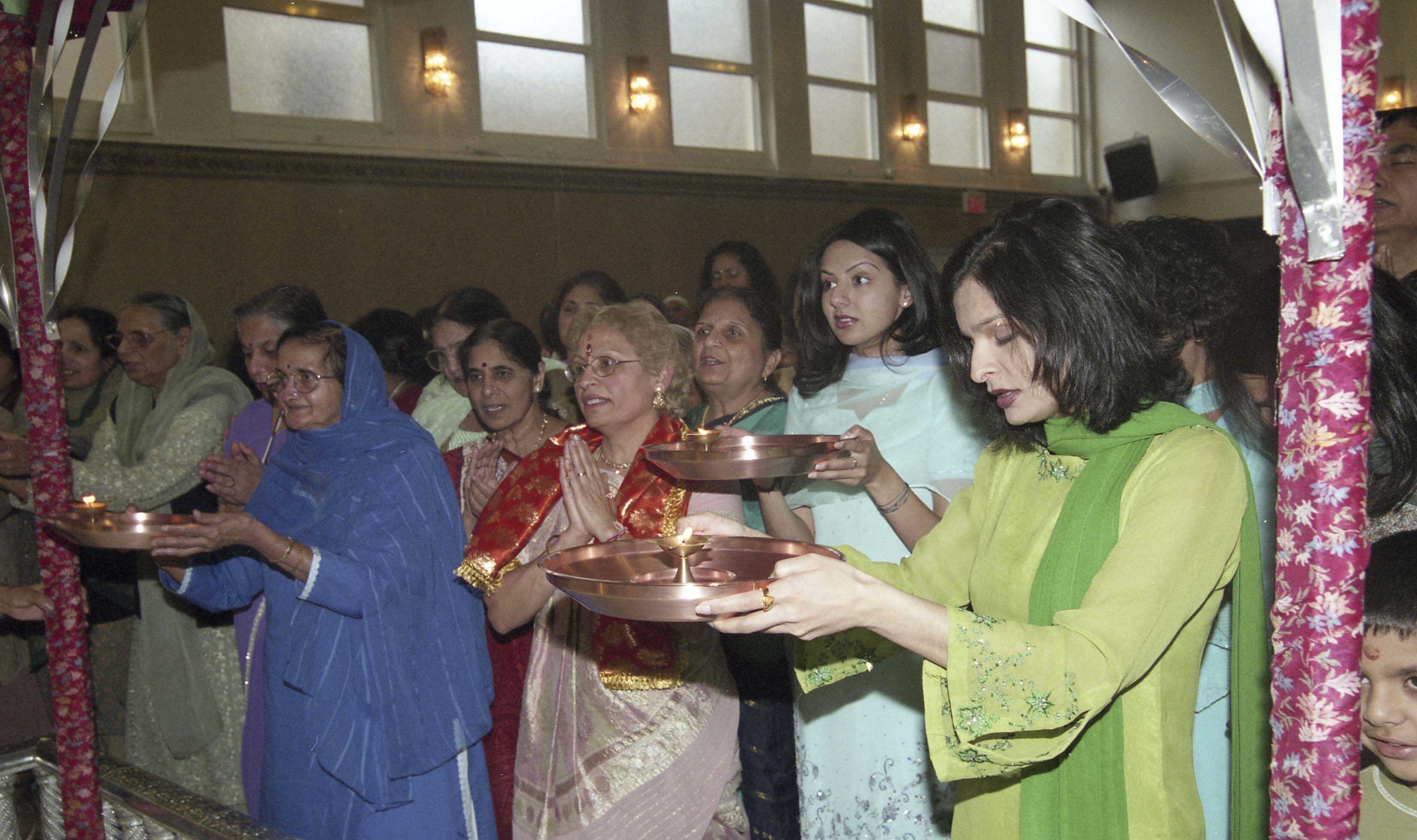
Photograph of people performing puja for a Tulsi Vivah celebration at the Hindu Cultural Society and Community Centre of B.C. in Burnaby, B.C.
Tulsi Vivah is a Hindu ritual of the symbolic marriage between a tulasi plant, the personification of Goddess Lakshmi), and shaligrama, the personification of Lord Vishnu). Taking place in the month of Kartika, the ceremony signifies the end of the Chaturmas, a sacred four-month periods where Lord Vishnu is in dive sleep, and the beginning of the auspicious wedding season.
Officially registered as the Hindu Cultural Society and Community Centre of B.C., the Hindu Temple of Burnaby, previously known as Vishva Hindu Parishad temple, stands as one of Canada's oldest and largest Hindu temples. It was founded on May 15, 1972 as a small prayer hall in North Burnaby, dedicated to preserving and promoting Hindu culture and traditions.
Tulsi Vivah is a Hindu ritual of the symbolic marriage between a tulasi plant, the personification of Goddess Lakshmi), and shaligrama, the personification of Lord Vishnu). Taking place in the month of Kartika, the ceremony signifies the end of the Chaturmas, a sacred four-month periods where Lord Vishnu is in dive sleep, and the beginning of the auspicious wedding season.
Officially registered as the Hindu Cultural Society and Community Centre of B.C., the Hindu Temple of Burnaby, previously known as Vishva Hindu Parishad temple, stands as one of Canada's oldest and largest Hindu temples. It was founded on May 15, 1972 as a small prayer hall in North Burnaby, dedicated to preserving and promoting Hindu culture and traditions.
Creator: Chandra Bodalia
Description
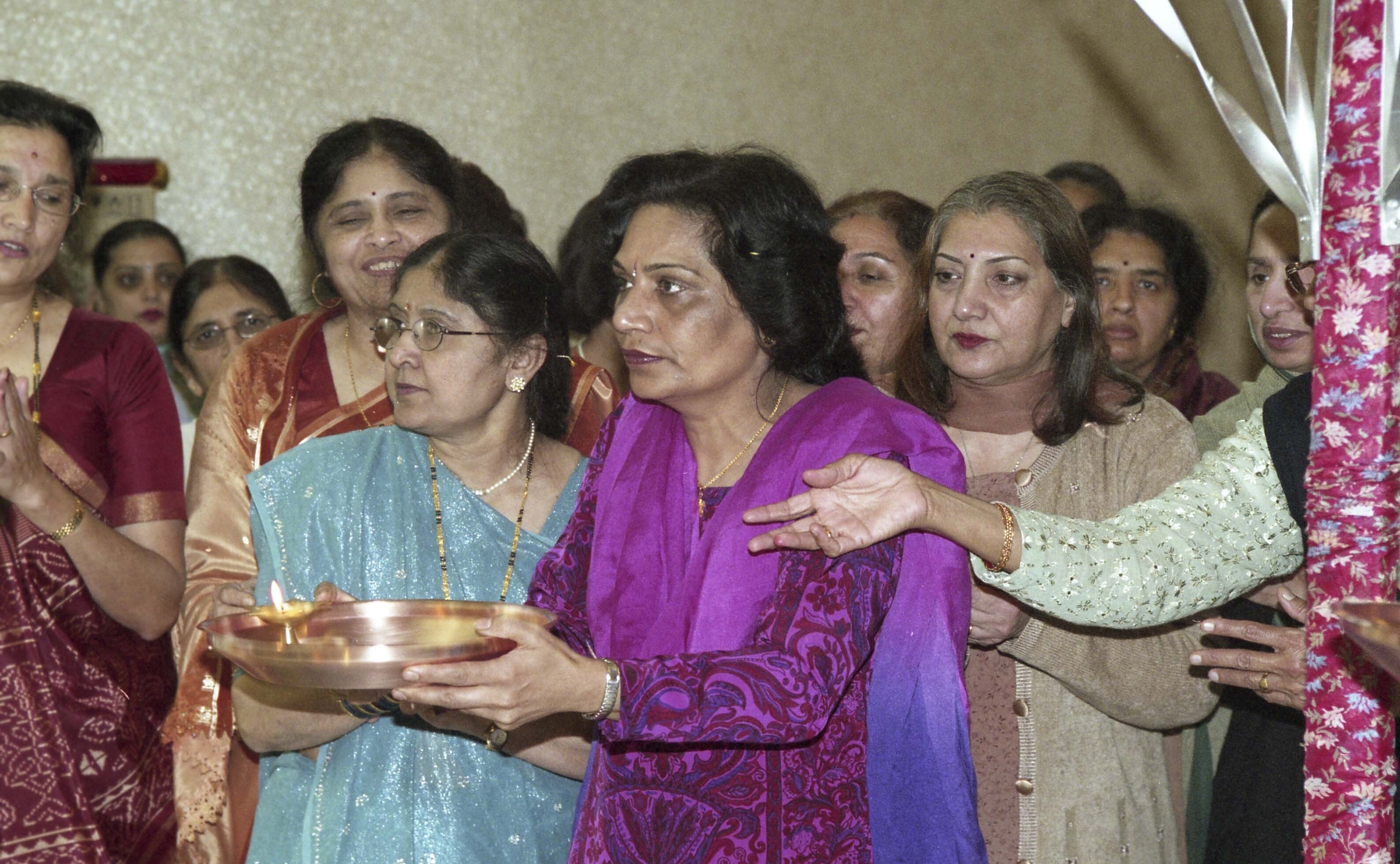
Photograph of people performing puja for a Tulsi Vivah celebration at the Hindu Cultural Society and Community Centre of B.C. in Burnaby, B.C.
Tulsi Vivah is a Hindu ritual of the symbolic marriage between a tulasi plant, the personification of Goddess Lakshmi), and shaligrama, the personification of Lord Vishnu). Taking place in the month of Kartika, the ceremony signifies the end of the Chaturmas, a sacred four-month periods where Lord Vishnu is in dive sleep, and the beginning of the auspicious wedding season.
Officially registered as the Hindu Cultural Society and Community Centre of B.C., the Hindu Temple of Burnaby, previously known as Vishva Hindu Parishad temple, stands as one of Canada's oldest and largest Hindu temples. It was founded on May 15, 1972 as a small prayer hall in North Burnaby, dedicated to preserving and promoting Hindu culture and traditions.
Tulsi Vivah is a Hindu ritual of the symbolic marriage between a tulasi plant, the personification of Goddess Lakshmi), and shaligrama, the personification of Lord Vishnu). Taking place in the month of Kartika, the ceremony signifies the end of the Chaturmas, a sacred four-month periods where Lord Vishnu is in dive sleep, and the beginning of the auspicious wedding season.
Officially registered as the Hindu Cultural Society and Community Centre of B.C., the Hindu Temple of Burnaby, previously known as Vishva Hindu Parishad temple, stands as one of Canada's oldest and largest Hindu temples. It was founded on May 15, 1972 as a small prayer hall in North Burnaby, dedicated to preserving and promoting Hindu culture and traditions.
Creator: Chandra Bodalia
Description
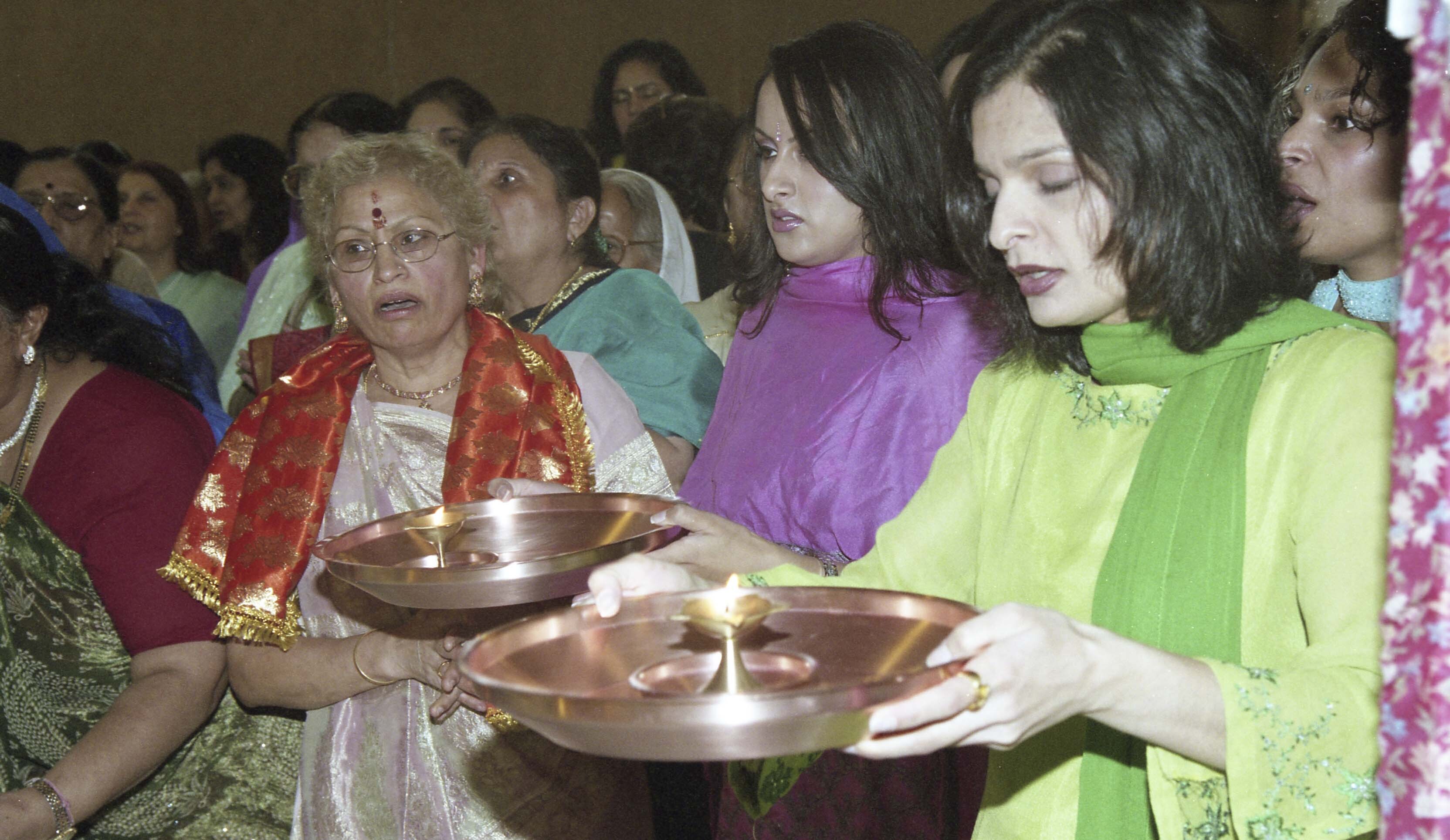
Photograph of people performing puja for a Tulsi Vivah celebration at the Hindu Cultural Society and Community Centre of B.C. in Burnaby, B.C.
Tulsi Vivah is a Hindu ritual of the symbolic marriage between a tulasi plant, the personification of Goddess Lakshmi), and shaligrama, the personification of Lord Vishnu). Taking place in the month of Kartika, the ceremony signifies the end of the Chaturmas, a sacred four-month periods where Lord Vishnu is in dive sleep, and the beginning of the auspicious wedding season.
Officially registered as the Hindu Cultural Society and Community Centre of B.C., the Hindu Temple of Burnaby, previously known as Vishva Hindu Parishad temple, stands as one of Canada's oldest and largest Hindu temples. It was founded on May 15, 1972 as a small prayer hall in North Burnaby, dedicated to preserving and promoting Hindu culture and traditions.
Tulsi Vivah is a Hindu ritual of the symbolic marriage between a tulasi plant, the personification of Goddess Lakshmi), and shaligrama, the personification of Lord Vishnu). Taking place in the month of Kartika, the ceremony signifies the end of the Chaturmas, a sacred four-month periods where Lord Vishnu is in dive sleep, and the beginning of the auspicious wedding season.
Officially registered as the Hindu Cultural Society and Community Centre of B.C., the Hindu Temple of Burnaby, previously known as Vishva Hindu Parishad temple, stands as one of Canada's oldest and largest Hindu temples. It was founded on May 15, 1972 as a small prayer hall in North Burnaby, dedicated to preserving and promoting Hindu culture and traditions.
Creator: Chandra Bodalia
Description
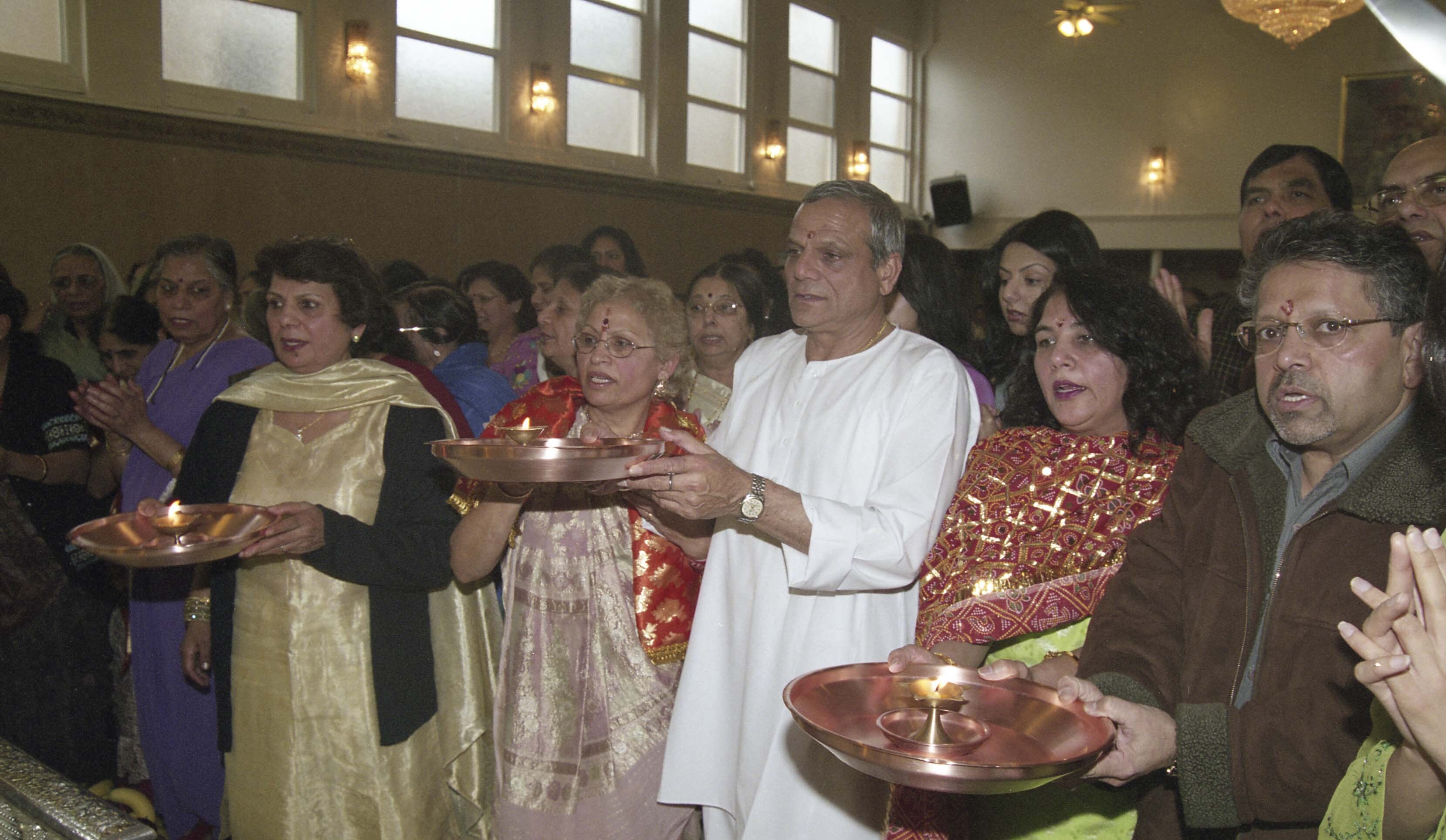
Photograph of people performing puja for a Tulsi Vivah celebration at the Hindu Cultural Society and Community Centre of B.C. in Burnaby, B.C.
Tulsi Vivah is a Hindu ritual of the symbolic marriage between a tulasi plant, the personification of Goddess Lakshmi), and shaligrama, the personification of Lord Vishnu). Taking place in the month of Kartika, the ceremony signifies the end of the Chaturmas, a sacred four-month periods where Lord Vishnu is in dive sleep, and the beginning of the auspicious wedding season.
Officially registered as the Hindu Cultural Society and Community Centre of B.C., the Hindu Temple of Burnaby, previously known as Vishva Hindu Parishad temple, stands as one of Canada's oldest and largest Hindu temples. It was founded on May 15, 1972 as a small prayer hall in North Burnaby, dedicated to preserving and promoting Hindu culture and traditions.
Tulsi Vivah is a Hindu ritual of the symbolic marriage between a tulasi plant, the personification of Goddess Lakshmi), and shaligrama, the personification of Lord Vishnu). Taking place in the month of Kartika, the ceremony signifies the end of the Chaturmas, a sacred four-month periods where Lord Vishnu is in dive sleep, and the beginning of the auspicious wedding season.
Officially registered as the Hindu Cultural Society and Community Centre of B.C., the Hindu Temple of Burnaby, previously known as Vishva Hindu Parishad temple, stands as one of Canada's oldest and largest Hindu temples. It was founded on May 15, 1972 as a small prayer hall in North Burnaby, dedicated to preserving and promoting Hindu culture and traditions.
Creator: Chandra Bodalia
Description
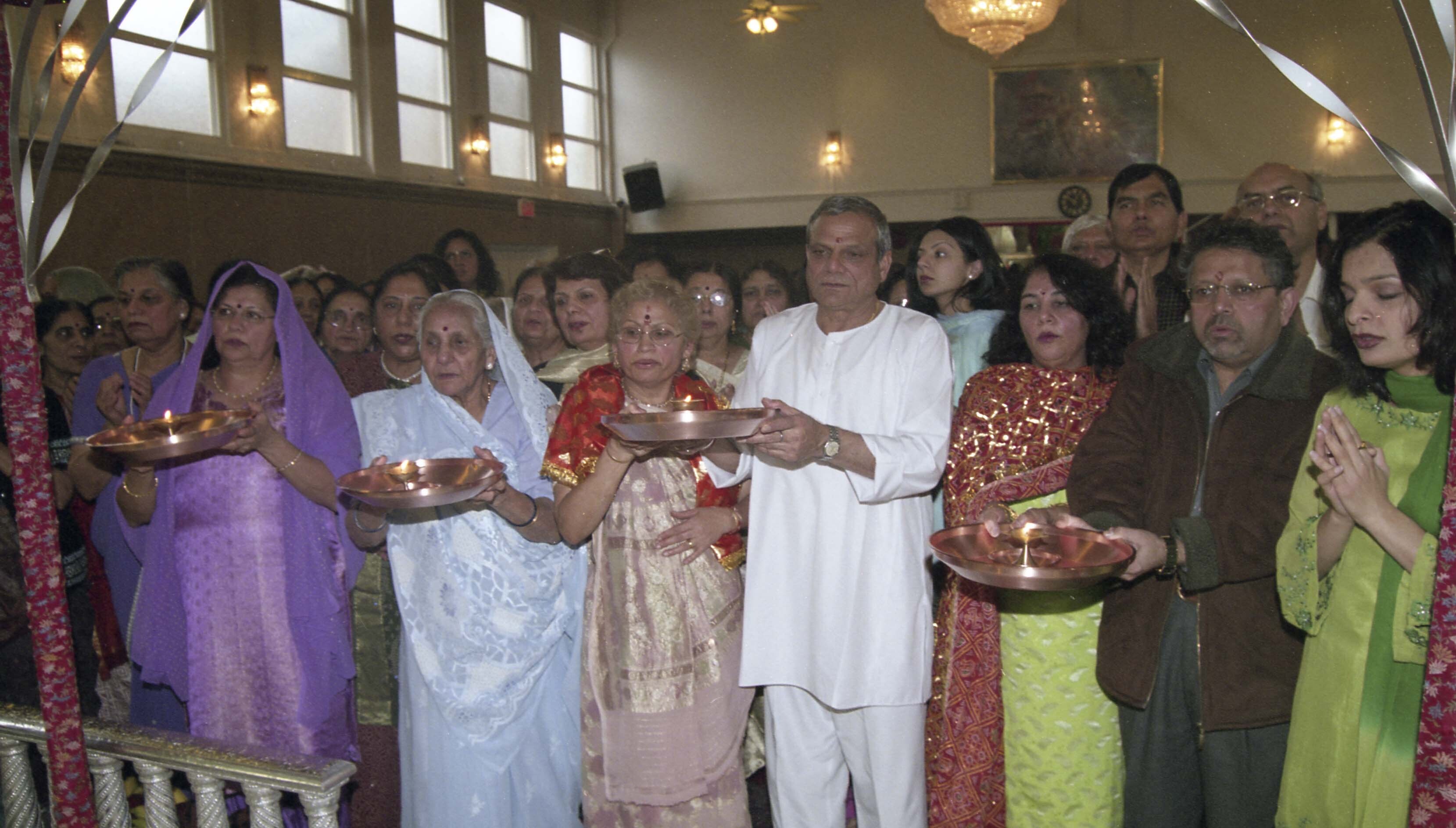
Photograph of people performing puja for a Tulsi Vivah celebration at the Hindu Cultural Society and Community Centre of B.C. in Burnaby, B.C.
Tulsi Vivah is a Hindu ritual of the symbolic marriage between a tulasi plant, the personification of Goddess Lakshmi), and shaligrama, the personification of Lord Vishnu). Taking place in the month of Kartika, the ceremony signifies the end of the Chaturmas, a sacred four-month periods where Lord Vishnu is in dive sleep, and the beginning of the auspicious wedding season.
Officially registered as the Hindu Cultural Society and Community Centre of B.C., the Hindu Temple of Burnaby, previously known as Vishva Hindu Parishad temple, stands as one of Canada's oldest and largest Hindu temples. It was founded on May 15, 1972 as a small prayer hall in North Burnaby, dedicated to preserving and promoting Hindu culture and traditions.
Tulsi Vivah is a Hindu ritual of the symbolic marriage between a tulasi plant, the personification of Goddess Lakshmi), and shaligrama, the personification of Lord Vishnu). Taking place in the month of Kartika, the ceremony signifies the end of the Chaturmas, a sacred four-month periods where Lord Vishnu is in dive sleep, and the beginning of the auspicious wedding season.
Officially registered as the Hindu Cultural Society and Community Centre of B.C., the Hindu Temple of Burnaby, previously known as Vishva Hindu Parishad temple, stands as one of Canada's oldest and largest Hindu temples. It was founded on May 15, 1972 as a small prayer hall in North Burnaby, dedicated to preserving and promoting Hindu culture and traditions.
Creator: Chandra Bodalia
Description
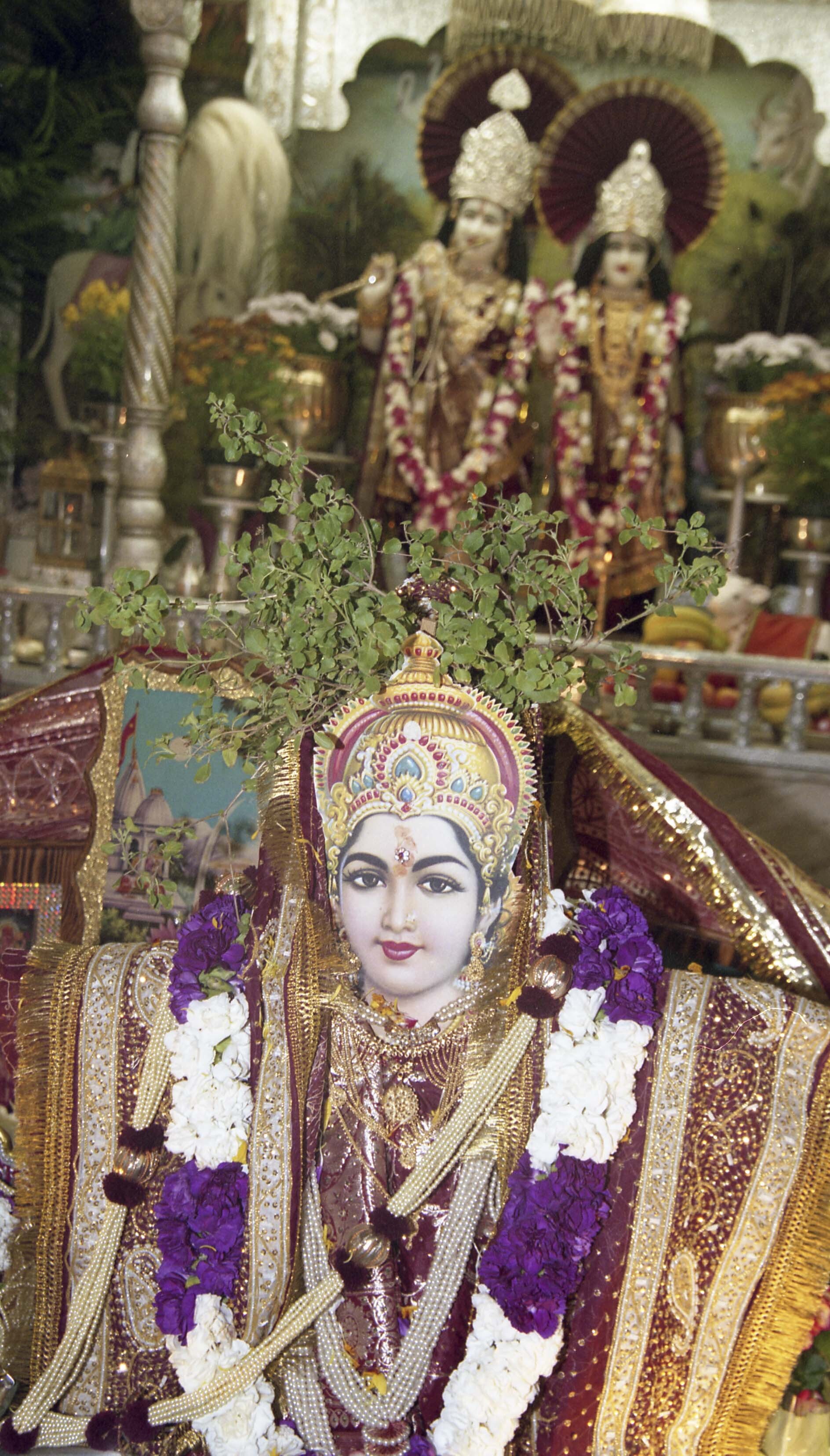
Photograph of a shrine for a Tulsi Vivah celebration at the Hindu Cultural Society and Community Centre of B.C. in Burnaby, B.C.
Tulsi Vivah is a Hindu ritual of the symbolic marriage between a tulasi plant, the personification of Goddess Lakshmi), and shaligrama, the personification of Lord Vishnu). Taking place in the month of Kartika, the ceremony signifies the end of the Chaturmas, a sacred four-month periods where Lord Vishnu is in dive sleep, and the beginning of the auspicious wedding season.
Officially registered as the Hindu Cultural Society and Community Centre of B.C., the Hindu Temple of Burnaby, previously known as Vishva Hindu Parishad temple, stands as one of Canada's oldest and largest Hindu temples. It was founded on May 15, 1972 as a small prayer hall in North Burnaby, dedicated to preserving and promoting Hindu culture and traditions.
Tulsi Vivah is a Hindu ritual of the symbolic marriage between a tulasi plant, the personification of Goddess Lakshmi), and shaligrama, the personification of Lord Vishnu). Taking place in the month of Kartika, the ceremony signifies the end of the Chaturmas, a sacred four-month periods where Lord Vishnu is in dive sleep, and the beginning of the auspicious wedding season.
Officially registered as the Hindu Cultural Society and Community Centre of B.C., the Hindu Temple of Burnaby, previously known as Vishva Hindu Parishad temple, stands as one of Canada's oldest and largest Hindu temples. It was founded on May 15, 1972 as a small prayer hall in North Burnaby, dedicated to preserving and promoting Hindu culture and traditions.
Creator: Chandra Bodalia
Description
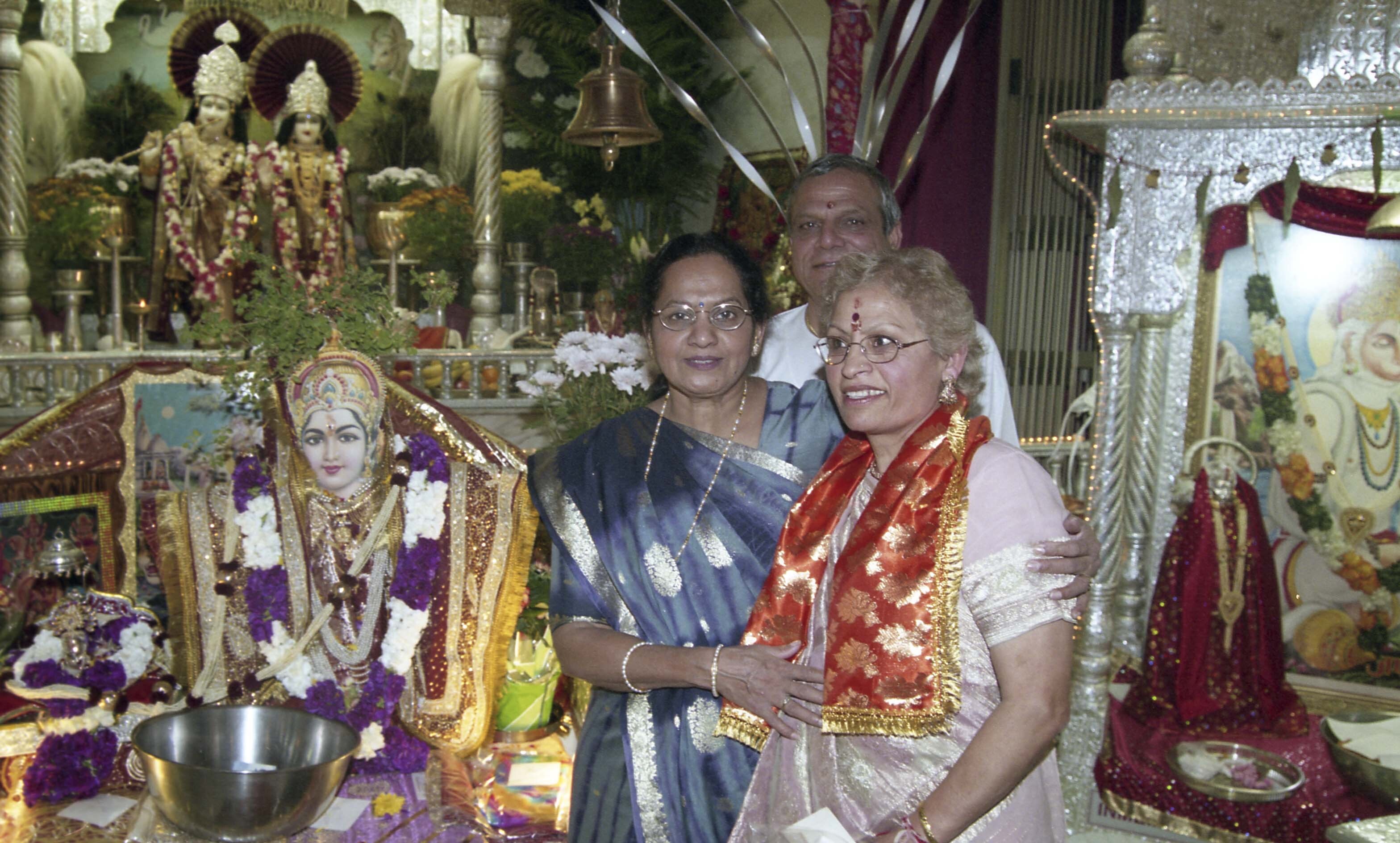
Group portrait of individuals in front of a shrine for a Tulsi Vivah celebration at the Hindu Cultural Society and Community Centre of B.C. in Burnaby, B.C.
Tulsi Vivah is a Hindu ritual of the symbolic marriage between a tulasi plant, the personification of Goddess Lakshmi), and shaligrama, the personification of Lord Vishnu). Taking place in the month of Kartika, the ceremony signifies the end of the Chaturmas, a sacred four-month periods where Lord Vishnu is in dive sleep, and the beginning of the auspicious wedding season.
Officially registered as the Hindu Cultural Society and Community Centre of B.C., the Hindu Temple of Burnaby, previously known as Vishva Hindu Parishad temple, stands as one of Canada's oldest and largest Hindu temples. It was founded on May 15, 1972 as a small prayer hall in North Burnaby, dedicated to preserving and promoting Hindu culture and traditions.
Tulsi Vivah is a Hindu ritual of the symbolic marriage between a tulasi plant, the personification of Goddess Lakshmi), and shaligrama, the personification of Lord Vishnu). Taking place in the month of Kartika, the ceremony signifies the end of the Chaturmas, a sacred four-month periods where Lord Vishnu is in dive sleep, and the beginning of the auspicious wedding season.
Officially registered as the Hindu Cultural Society and Community Centre of B.C., the Hindu Temple of Burnaby, previously known as Vishva Hindu Parishad temple, stands as one of Canada's oldest and largest Hindu temples. It was founded on May 15, 1972 as a small prayer hall in North Burnaby, dedicated to preserving and promoting Hindu culture and traditions.