
Holī (Hindu festival)
Member of
Creator: Bodalia, Chandra
Description
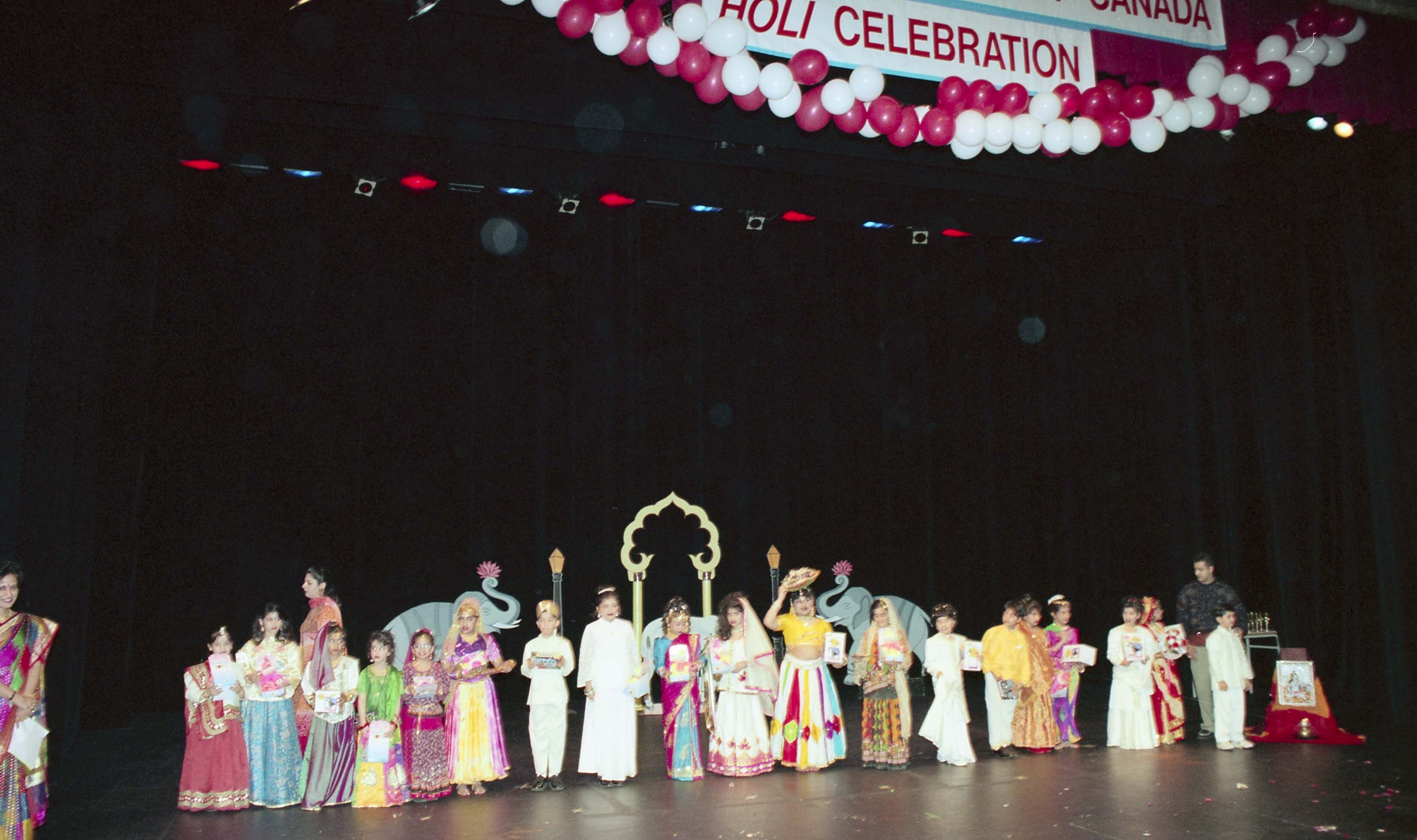
Photograph of a group of unidentified individuals onstage at the Holi celebration organised at Burnaby South Secondary School, in Burnaby, British Columbia (B.C.).
Holi, often called the "festival of colors," is a vibrant and joyful Hindu celebration that marks spring's arrival and the triumph of good over evil. This festival, mainly observed in South Asia but also recognized globally, typically spans two days and is rooted in ancient traditions, mythology and community gatherings. Its date changes, as it is based on the full moon in the month of Phalguna, part of the Hindu lunar calendar, usually falling in late February or March. Holi, dating back to the 4th century, stands alongside Diwali, the festival of lights, as one of the most prominent Hindu celebrations and is famous for the playful tossing of colored powders and water.
Holi, often called the "festival of colors," is a vibrant and joyful Hindu celebration that marks spring's arrival and the triumph of good over evil. This festival, mainly observed in South Asia but also recognized globally, typically spans two days and is rooted in ancient traditions, mythology and community gatherings. Its date changes, as it is based on the full moon in the month of Phalguna, part of the Hindu lunar calendar, usually falling in late February or March. Holi, dating back to the 4th century, stands alongside Diwali, the festival of lights, as one of the most prominent Hindu celebrations and is famous for the playful tossing of colored powders and water.
Member of
Creator: Bodalia, Chandra
Description
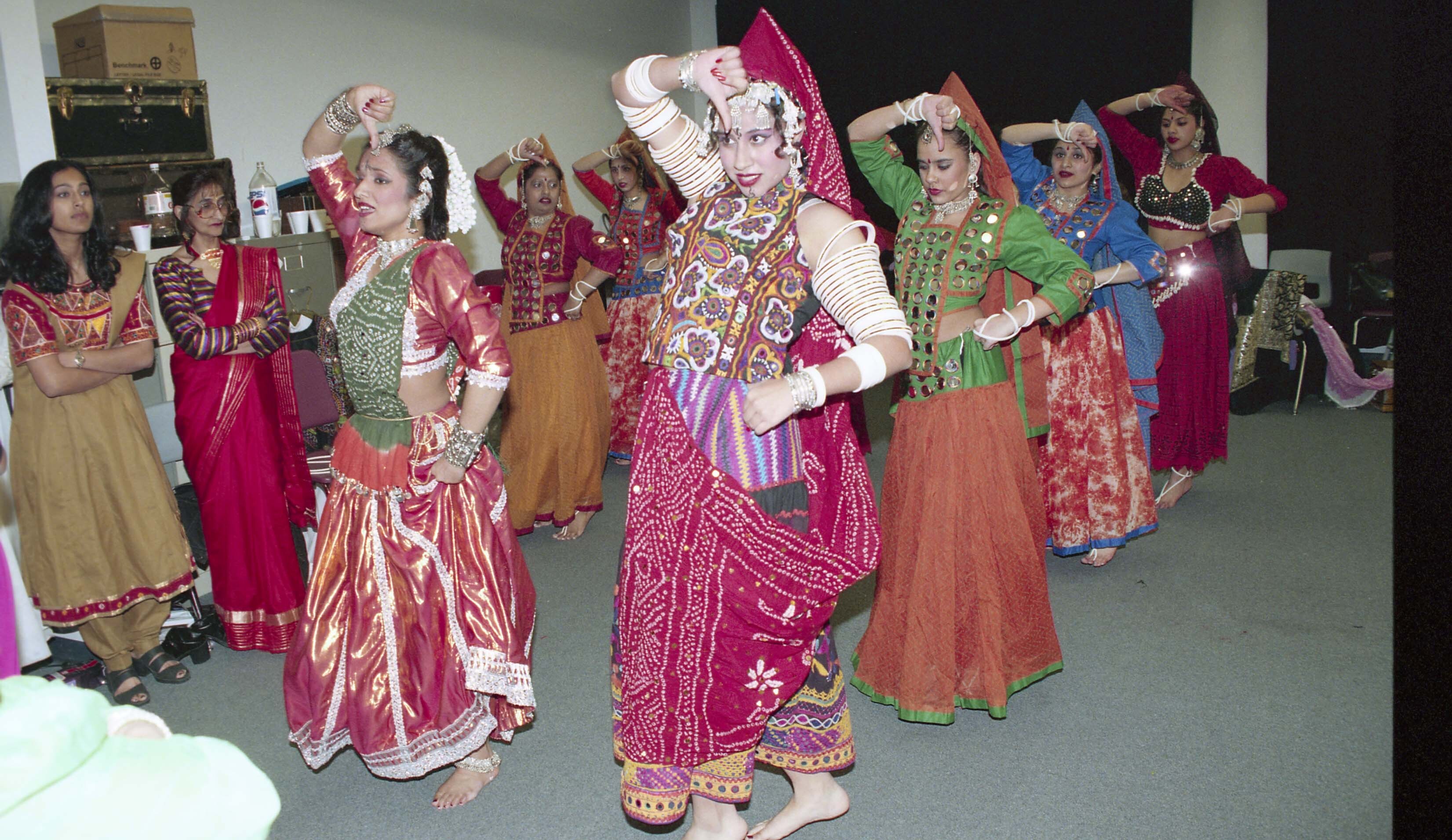
Photograph of unidentified individuals backstage[?] at the Holi celebration organised at Burnaby South Secondary School, in Burnaby, British Columbia (B.C.).
Holi, often called the "festival of colors," is a vibrant and joyful Hindu celebration that marks spring's arrival and the triumph of good over evil. This festival, mainly observed in South Asia but also recognized globally, typically spans two days and is rooted in ancient traditions, mythology and community gatherings. Its date changes, as it is based on the full moon in the month of Phalguna, part of the Hindu lunar calendar, usually falling in late February or March. Holi, dating back to the 4th century, stands alongside Diwali, the festival of lights, as one of the most prominent Hindu celebrations and is famous for the playful tossing of colored powders and water.
Holi, often called the "festival of colors," is a vibrant and joyful Hindu celebration that marks spring's arrival and the triumph of good over evil. This festival, mainly observed in South Asia but also recognized globally, typically spans two days and is rooted in ancient traditions, mythology and community gatherings. Its date changes, as it is based on the full moon in the month of Phalguna, part of the Hindu lunar calendar, usually falling in late February or March. Holi, dating back to the 4th century, stands alongside Diwali, the festival of lights, as one of the most prominent Hindu celebrations and is famous for the playful tossing of colored powders and water.
Member of
Creator: Bodalia, Chandra
Description
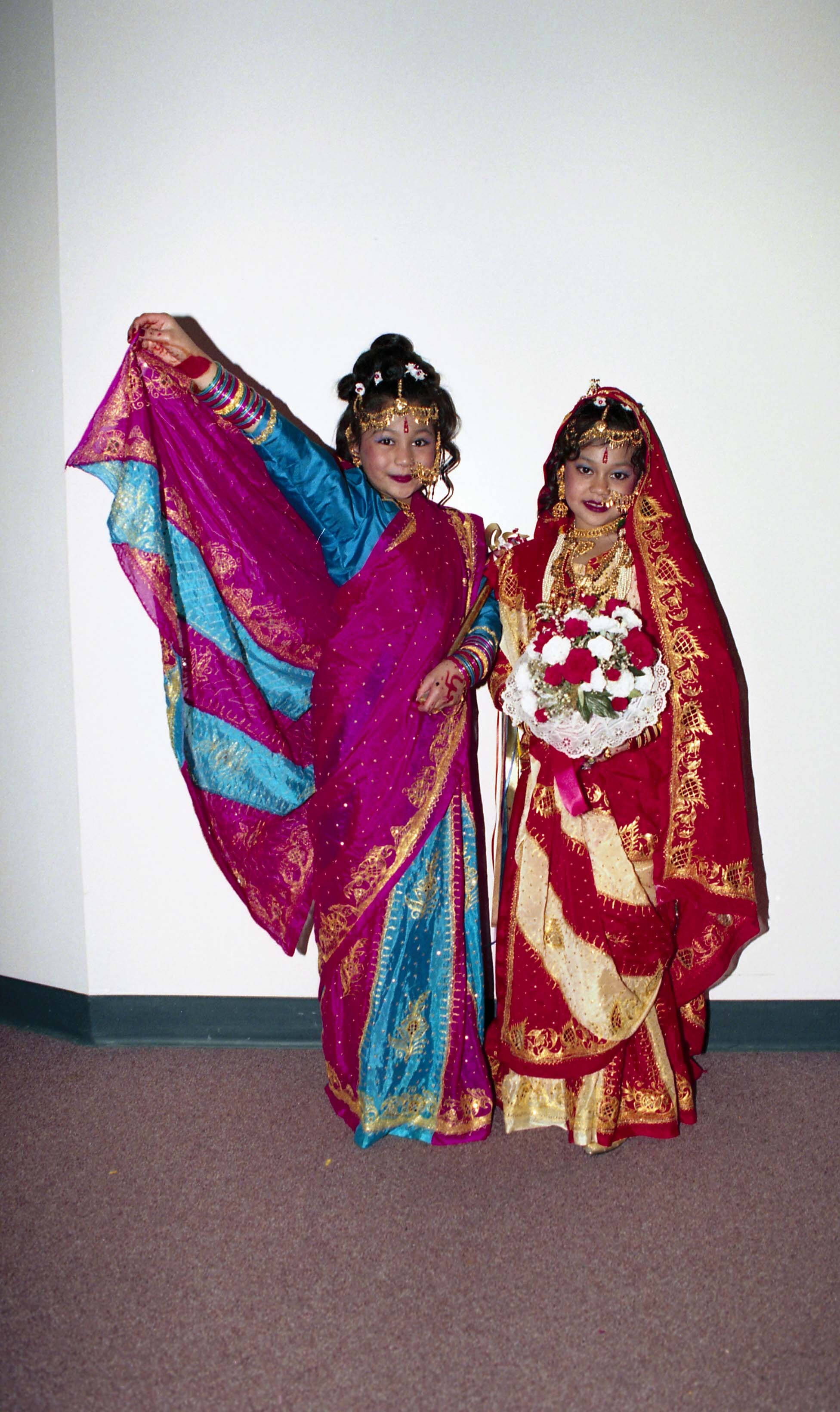
Photograph of unidentified individuals at the Holi celebration organised at Burnaby South Secondary School, in Burnaby, British Columbia (B.C.).
Holi, often called the "festival of colors," is a vibrant and joyful Hindu celebration that marks spring's arrival and the triumph of good over evil. This festival, mainly observed in South Asia but also recognized globally, typically spans two days and is rooted in ancient traditions, mythology and community gatherings. Its date changes, as it is based on the full moon in the month of Phalguna, part of the Hindu lunar calendar, usually falling in late February or March. Holi, dating back to the 4th century, stands alongside Diwali, the festival of lights, as one of the most prominent Hindu celebrations and is famous for the playful tossing of colored powders and water.
Holi, often called the "festival of colors," is a vibrant and joyful Hindu celebration that marks spring's arrival and the triumph of good over evil. This festival, mainly observed in South Asia but also recognized globally, typically spans two days and is rooted in ancient traditions, mythology and community gatherings. Its date changes, as it is based on the full moon in the month of Phalguna, part of the Hindu lunar calendar, usually falling in late February or March. Holi, dating back to the 4th century, stands alongside Diwali, the festival of lights, as one of the most prominent Hindu celebrations and is famous for the playful tossing of colored powders and water.
Member of
Creator: Bodalia, Chandra
Description
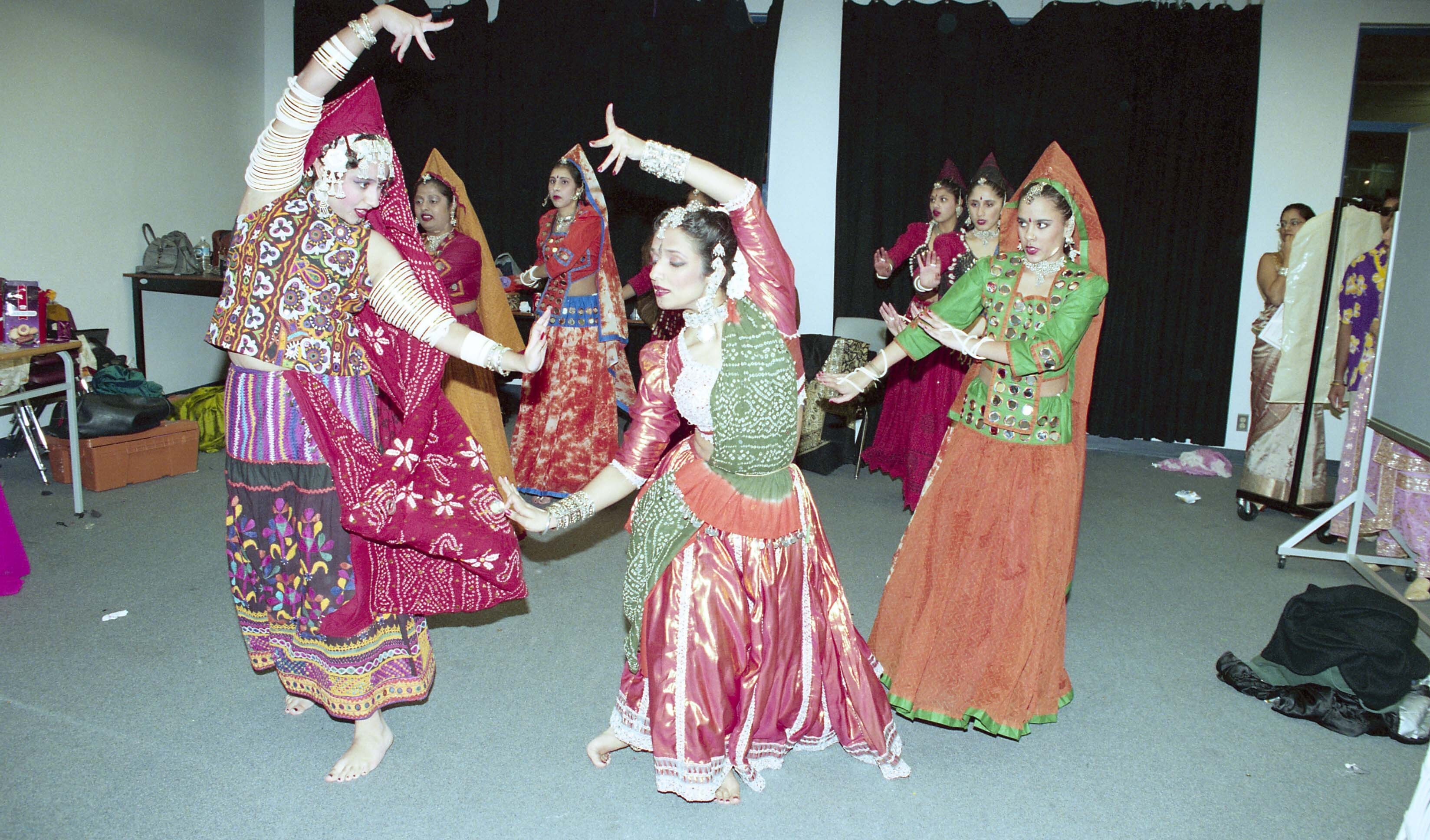
Photograph of unidentified individuals backstage[?] at the Holi celebration organised at Burnaby South Secondary School, in Burnaby, British Columbia (B.C.).
Holi, often called the "festival of colors," is a vibrant and joyful Hindu celebration that marks spring's arrival and the triumph of good over evil. This festival, mainly observed in South Asia but also recognized globally, typically spans two days and is rooted in ancient traditions, mythology and community gatherings. Its date changes, as it is based on the full moon in the month of Phalguna, part of the Hindu lunar calendar, usually falling in late February or March. Holi, dating back to the 4th century, stands alongside Diwali, the festival of lights, as one of the most prominent Hindu celebrations and is famous for the playful tossing of colored powders and water.
Holi, often called the "festival of colors," is a vibrant and joyful Hindu celebration that marks spring's arrival and the triumph of good over evil. This festival, mainly observed in South Asia but also recognized globally, typically spans two days and is rooted in ancient traditions, mythology and community gatherings. Its date changes, as it is based on the full moon in the month of Phalguna, part of the Hindu lunar calendar, usually falling in late February or March. Holi, dating back to the 4th century, stands alongside Diwali, the festival of lights, as one of the most prominent Hindu celebrations and is famous for the playful tossing of colored powders and water.
Member of
Creator: Bodalia, Chandra
Description
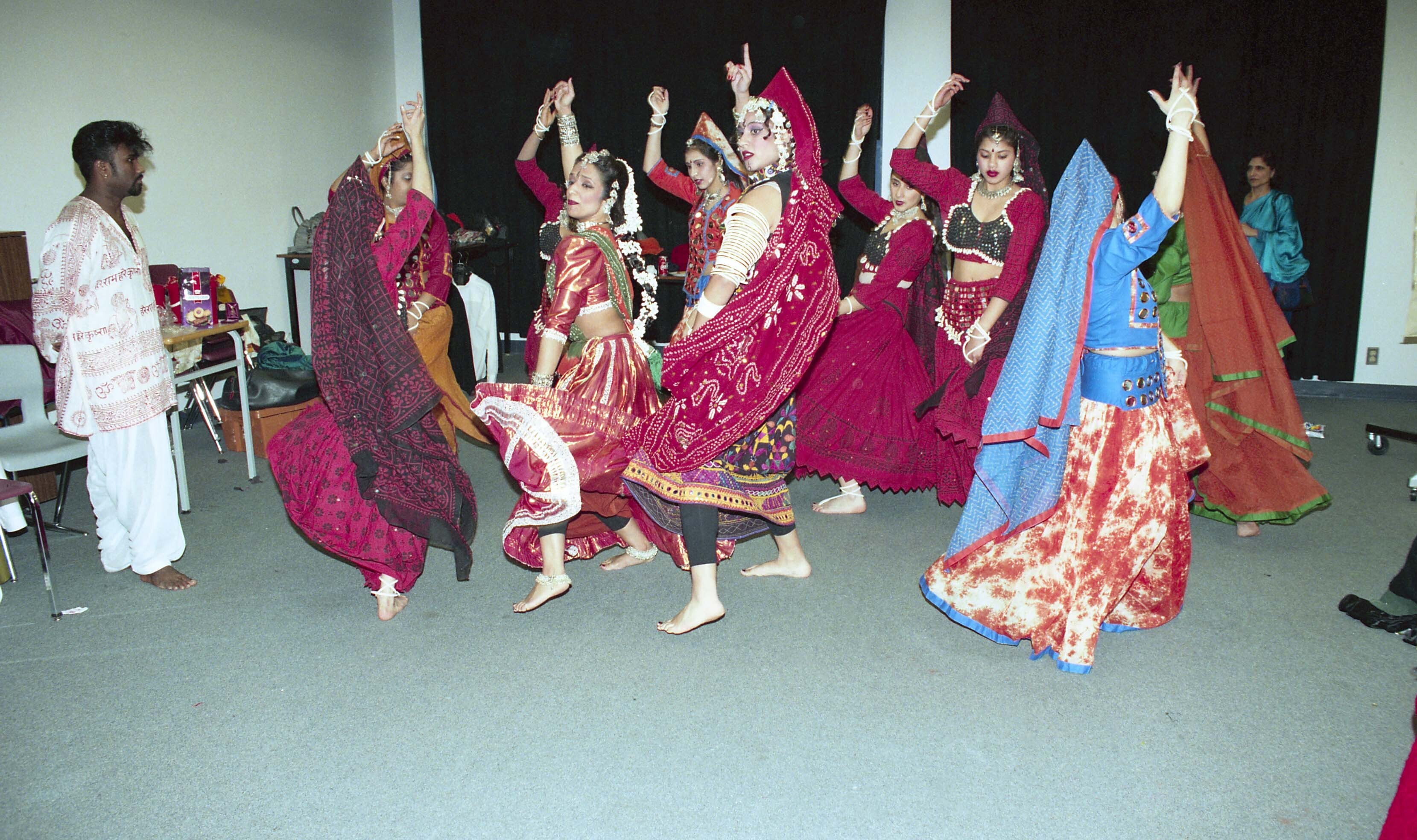
Photograph of unidentified individuals backstage[?] at the Holi celebration organised at Burnaby South Secondary School, in Burnaby, British Columbia (B.C.).
Holi, often called the "festival of colors," is a vibrant and joyful Hindu celebration that marks spring's arrival and the triumph of good over evil. This festival, mainly observed in South Asia but also recognized globally, typically spans two days and is rooted in ancient traditions, mythology and community gatherings. Its date changes, as it is based on the full moon in the month of Phalguna, part of the Hindu lunar calendar, usually falling in late February or March. Holi, dating back to the 4th century, stands alongside Diwali, the festival of lights, as one of the most prominent Hindu celebrations and is famous for the playful tossing of colored powders and water.
Holi, often called the "festival of colors," is a vibrant and joyful Hindu celebration that marks spring's arrival and the triumph of good over evil. This festival, mainly observed in South Asia but also recognized globally, typically spans two days and is rooted in ancient traditions, mythology and community gatherings. Its date changes, as it is based on the full moon in the month of Phalguna, part of the Hindu lunar calendar, usually falling in late February or March. Holi, dating back to the 4th century, stands alongside Diwali, the festival of lights, as one of the most prominent Hindu celebrations and is famous for the playful tossing of colored powders and water.
Member of
Creator: Bodalia, Chandra
Description
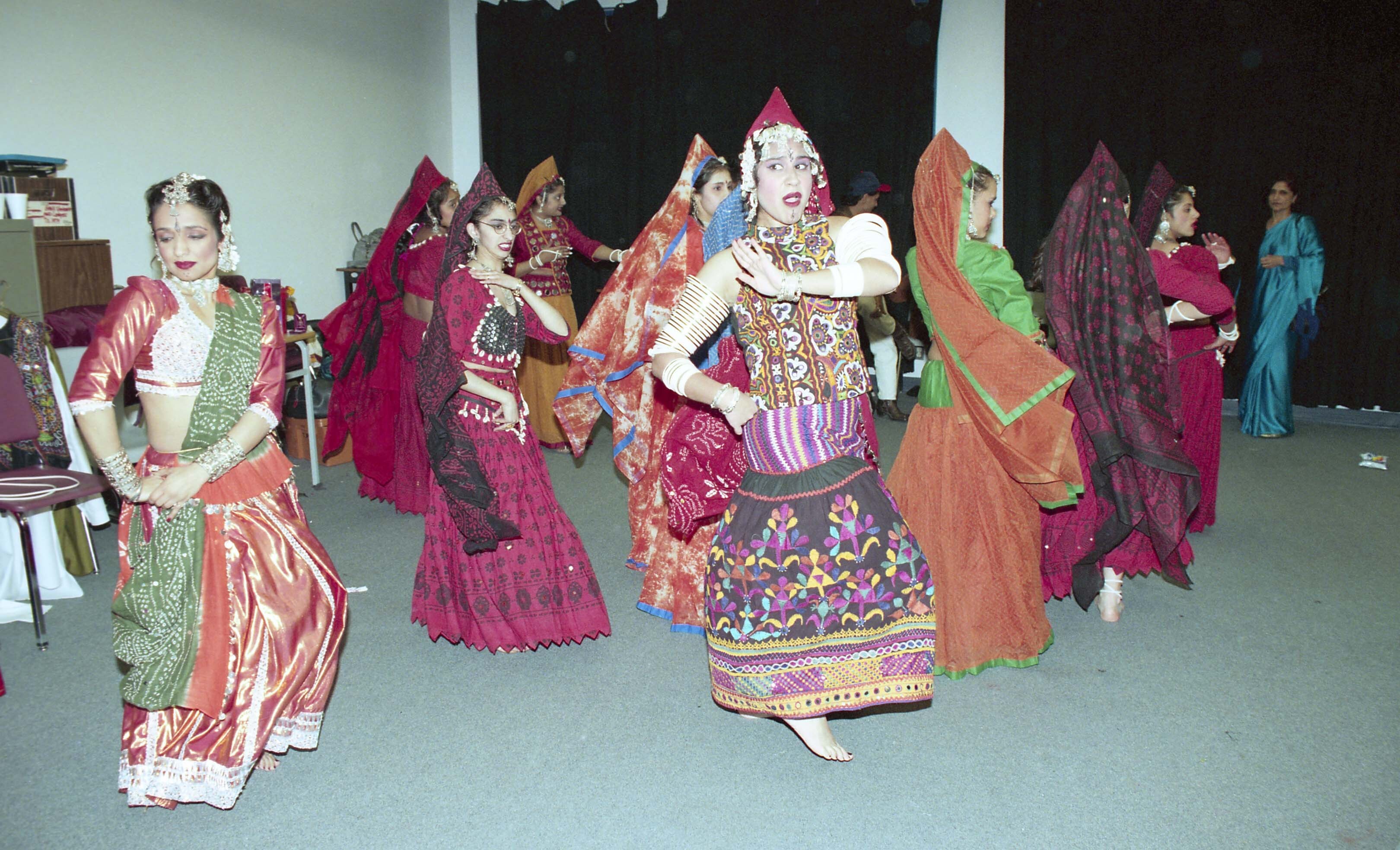
Photograph of unidentified individuals backstage[?] at the Holi celebration organised at Burnaby South Secondary School, in Burnaby, British Columbia (B.C.).
Holi, often called the "festival of colors," is a vibrant and joyful Hindu celebration that marks spring's arrival and the triumph of good over evil. This festival, mainly observed in South Asia but also recognized globally, typically spans two days and is rooted in ancient traditions, mythology and community gatherings. Its date changes, as it is based on the full moon in the month of Phalguna, part of the Hindu lunar calendar, usually falling in late February or March. Holi, dating back to the 4th century, stands alongside Diwali, the festival of lights, as one of the most prominent Hindu celebrations and is famous for the playful tossing of colored powders and water.
Holi, often called the "festival of colors," is a vibrant and joyful Hindu celebration that marks spring's arrival and the triumph of good over evil. This festival, mainly observed in South Asia but also recognized globally, typically spans two days and is rooted in ancient traditions, mythology and community gatherings. Its date changes, as it is based on the full moon in the month of Phalguna, part of the Hindu lunar calendar, usually falling in late February or March. Holi, dating back to the 4th century, stands alongside Diwali, the festival of lights, as one of the most prominent Hindu celebrations and is famous for the playful tossing of colored powders and water.
Member of
Creator: Bodalia, Chandra
Description
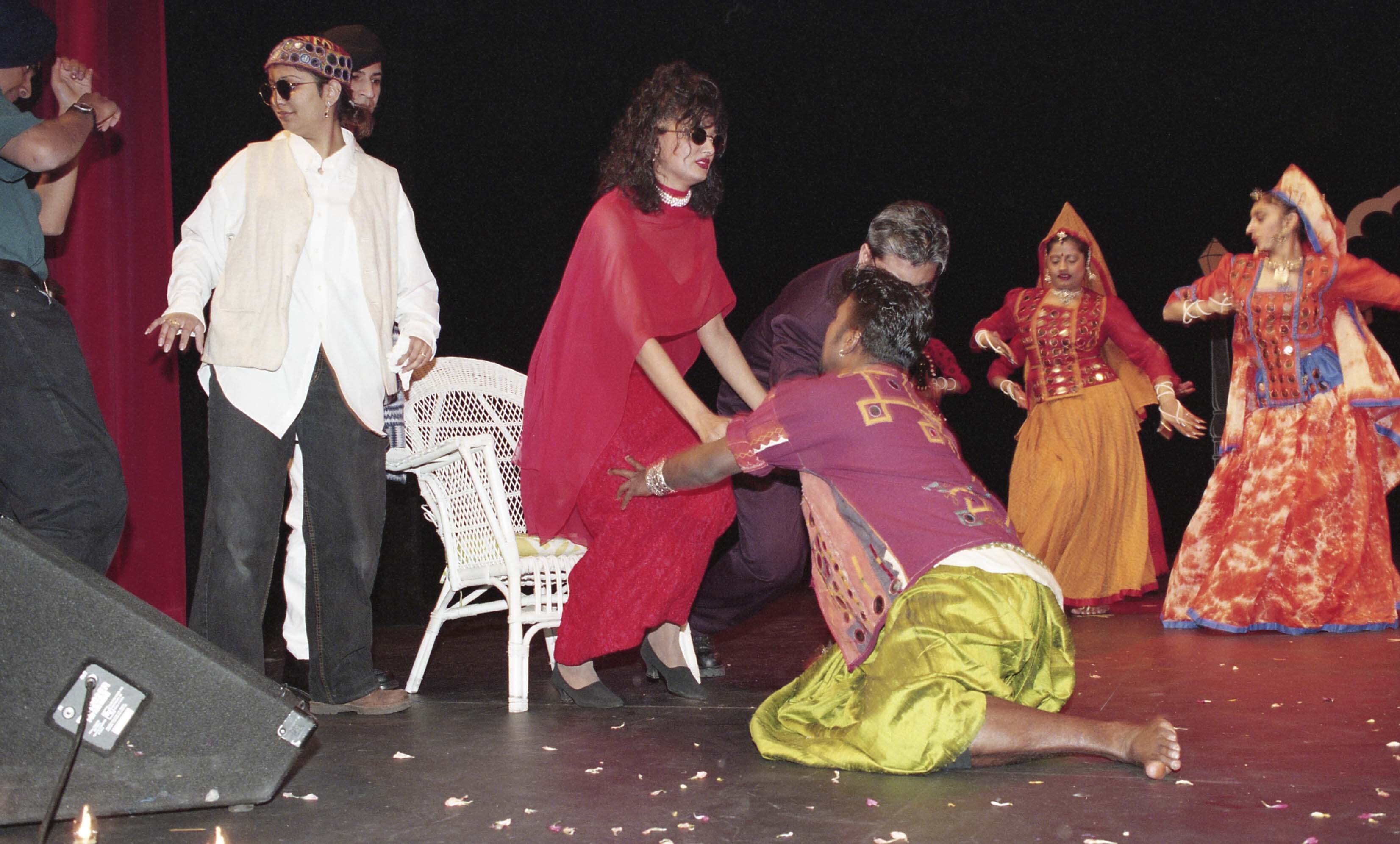
Photograph of a group of unidentified individuals performing onstage at the Holi celebration organised at Burnaby South Secondary School, in Burnaby, British Columbia (B.C.).
Holi, often called the "festival of colors," is a vibrant and joyful Hindu celebration that marks spring's arrival and the triumph of good over evil. This festival, mainly observed in South Asia but also recognized globally, typically spans two days and is rooted in ancient traditions, mythology and community gatherings. Its date changes, as it is based on the full moon in the month of Phalguna, part of the Hindu lunar calendar, usually falling in late February or March. Holi, dating back to the 4th century, stands alongside Diwali, the festival of lights, as one of the most prominent Hindu celebrations and is famous for the playful tossing of colored powders and water.
Holi, often called the "festival of colors," is a vibrant and joyful Hindu celebration that marks spring's arrival and the triumph of good over evil. This festival, mainly observed in South Asia but also recognized globally, typically spans two days and is rooted in ancient traditions, mythology and community gatherings. Its date changes, as it is based on the full moon in the month of Phalguna, part of the Hindu lunar calendar, usually falling in late February or March. Holi, dating back to the 4th century, stands alongside Diwali, the festival of lights, as one of the most prominent Hindu celebrations and is famous for the playful tossing of colored powders and water.
Member of
Creator: Bodalia, Chandra
Description
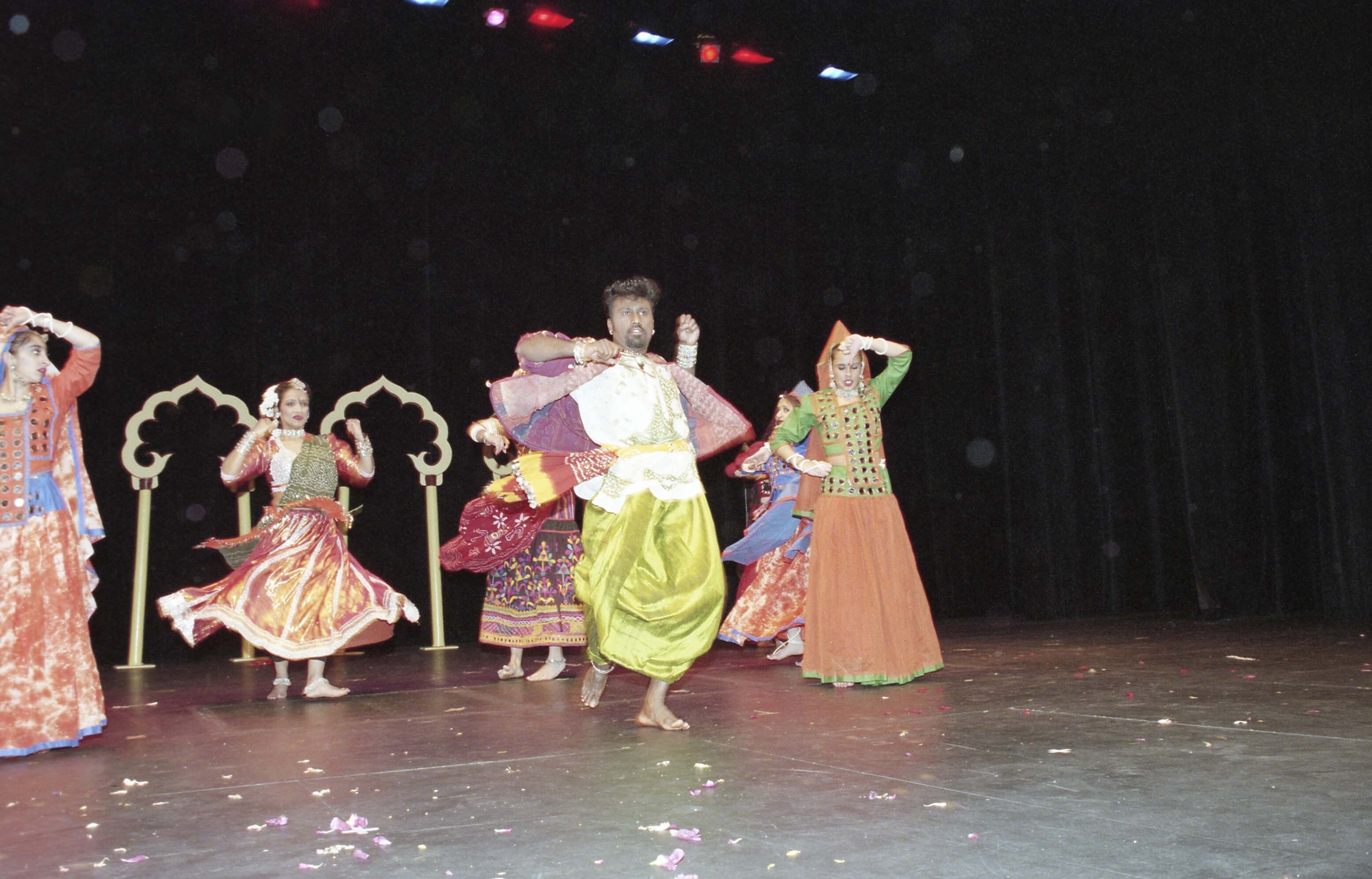
Photograph of a group of unidentified individuals performing onstage at the Holi celebration organised at Burnaby South Secondary School, in Burnaby, British Columbia (B.C.).
Holi, often called the "festival of colors," is a vibrant and joyful Hindu celebration that marks spring's arrival and the triumph of good over evil. This festival, mainly observed in South Asia but also recognized globally, typically spans two days and is rooted in ancient traditions, mythology and community gatherings. Its date changes, as it is based on the full moon in the month of Phalguna, part of the Hindu lunar calendar, usually falling in late February or March. Holi, dating back to the 4th century, stands alongside Diwali, the festival of lights, as one of the most prominent Hindu celebrations and is famous for the playful tossing of colored powders and water.
Holi, often called the "festival of colors," is a vibrant and joyful Hindu celebration that marks spring's arrival and the triumph of good over evil. This festival, mainly observed in South Asia but also recognized globally, typically spans two days and is rooted in ancient traditions, mythology and community gatherings. Its date changes, as it is based on the full moon in the month of Phalguna, part of the Hindu lunar calendar, usually falling in late February or March. Holi, dating back to the 4th century, stands alongside Diwali, the festival of lights, as one of the most prominent Hindu celebrations and is famous for the playful tossing of colored powders and water.
Member of
Creator: Bodalia, Chandra
Description
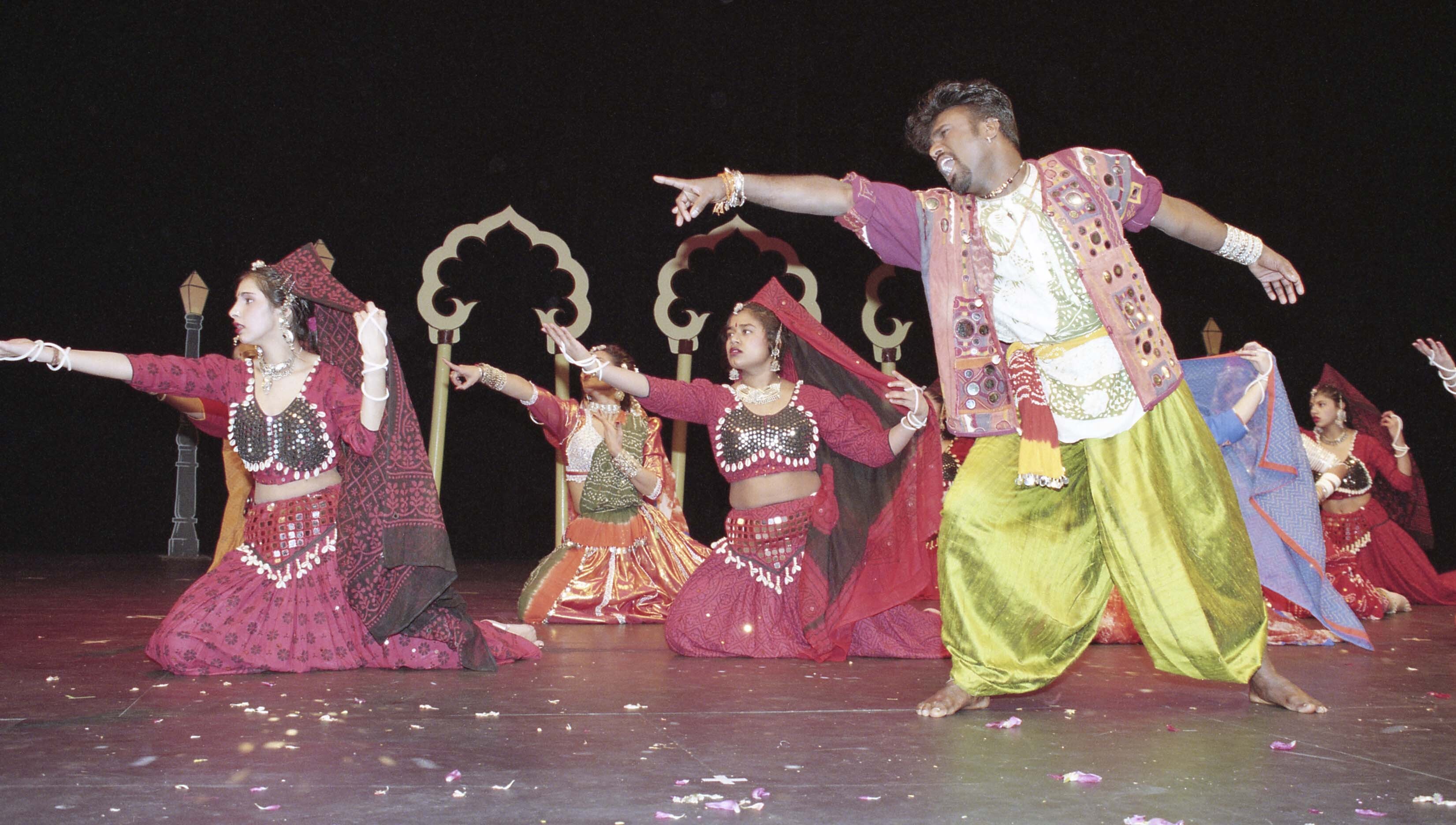
Photograph of a group of unidentified individuals performing onstage at the Holi celebration organised at Burnaby South Secondary School, in Burnaby, British Columbia (B.C.).
Holi, often called the "festival of colors," is a vibrant and joyful Hindu celebration that marks spring's arrival and the triumph of good over evil. This festival, mainly observed in South Asia but also recognized globally, typically spans two days and is rooted in ancient traditions, mythology and community gatherings. Its date changes, as it is based on the full moon in the month of Phalguna, part of the Hindu lunar calendar, usually falling in late February or March. Holi, dating back to the 4th century, stands alongside Diwali, the festival of lights, as one of the most prominent Hindu celebrations and is famous for the playful tossing of colored powders and water.
Holi, often called the "festival of colors," is a vibrant and joyful Hindu celebration that marks spring's arrival and the triumph of good over evil. This festival, mainly observed in South Asia but also recognized globally, typically spans two days and is rooted in ancient traditions, mythology and community gatherings. Its date changes, as it is based on the full moon in the month of Phalguna, part of the Hindu lunar calendar, usually falling in late February or March. Holi, dating back to the 4th century, stands alongside Diwali, the festival of lights, as one of the most prominent Hindu celebrations and is famous for the playful tossing of colored powders and water.
Member of
Creator: Bodalia, Chandra
Description
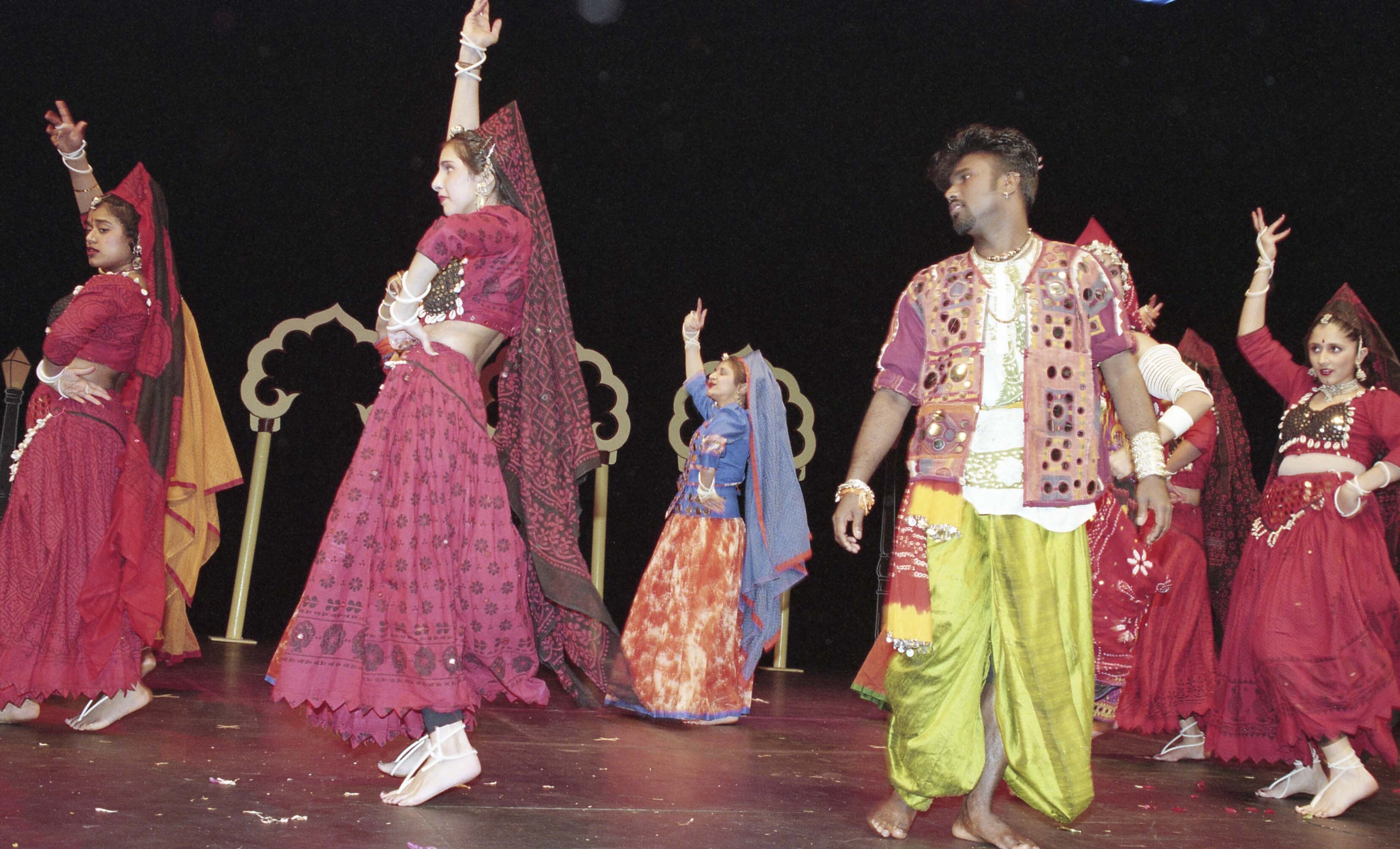
Photograph of a group of unidentified individuals performing onstage at the Holi celebration organised at Burnaby South Secondary School, in Burnaby, British Columbia (B.C.).
Holi, often called the "festival of colors," is a vibrant and joyful Hindu celebration that marks spring's arrival and the triumph of good over evil. This festival, mainly observed in South Asia but also recognized globally, typically spans two days and is rooted in ancient traditions, mythology and community gatherings. Its date changes, as it is based on the full moon in the month of Phalguna, part of the Hindu lunar calendar, usually falling in late February or March. Holi, dating back to the 4th century, stands alongside Diwali, the festival of lights, as one of the most prominent Hindu celebrations and is famous for the playful tossing of colored powders and water.
Holi, often called the "festival of colors," is a vibrant and joyful Hindu celebration that marks spring's arrival and the triumph of good over evil. This festival, mainly observed in South Asia but also recognized globally, typically spans two days and is rooted in ancient traditions, mythology and community gatherings. Its date changes, as it is based on the full moon in the month of Phalguna, part of the Hindu lunar calendar, usually falling in late February or March. Holi, dating back to the 4th century, stands alongside Diwali, the festival of lights, as one of the most prominent Hindu celebrations and is famous for the playful tossing of colored powders and water.